The Fascination of Language (Part 2: Lost in Translation)
5 Minute Read – For the lucky ones, language is something we learn early, and over time it becomes second nature. I’ve always been fascinated by people who can speak multiple languages, especially when they can inject their own personality and culture into conversations in other languages.
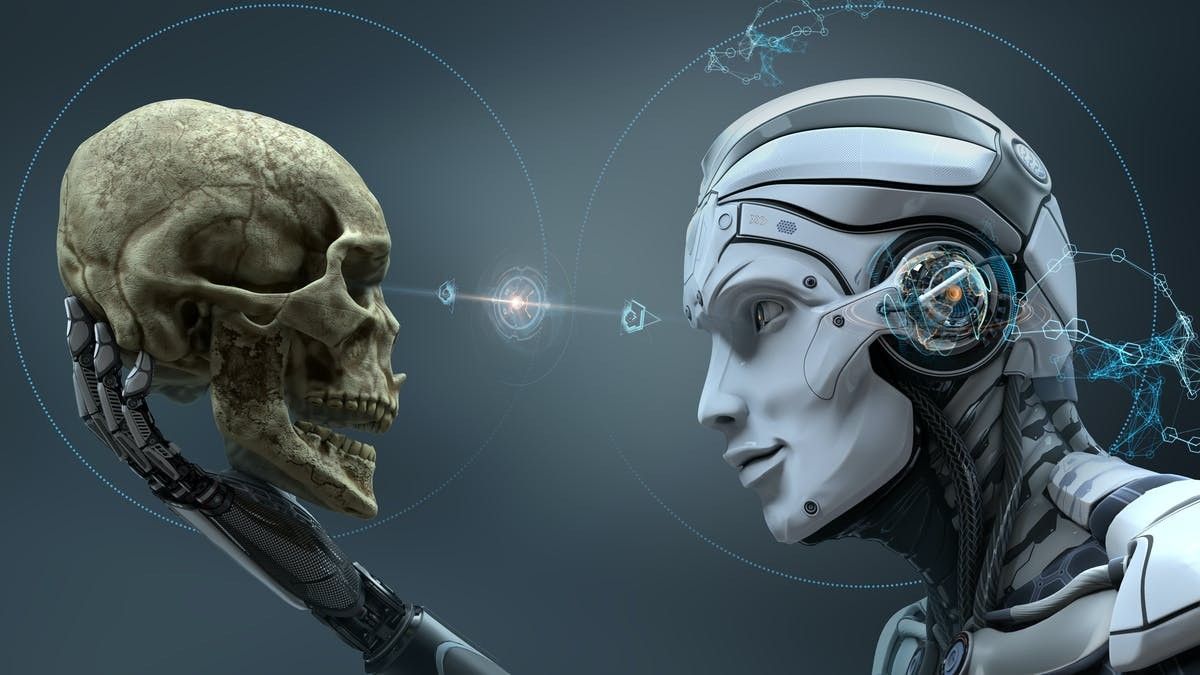
At the same time, the way we use language is evolving. With AI platforms now processing over 500 million interactions per second (Medium, 2025), parsing messages, predicting intent, and generating responses, language is no longer just human. And yet, we’re still trying to fully understand it ourselves. If anything, as machines build their interpretation, it highlights just how complex language really is.
In the second part of this series (following Who’s Thomas.... And Why is he Doubting?), I want to explore a few words from other languages that have come into my world. Words that perfectly capture specific feelings, situations, and ideas, yet don’t have a direct English translation. All thoughts, views, and comments are my own..
Augenblick (German)
It almost feels like there is an English word to describe every situation, but every now and again, you come across a word that reminds you that isn’t quite true. A couple of years ago, I attended a virtual mindfulness session by Dr. Lisa Nezneski, where she introduced the German word augenblick, meaning “in the blink of an eye”.
One of the hallmarks of our modern era is pace. It’s relentless, chaotic, and rarely slows down. But within that chaos, there are moments - small, almost invisible moments that carry enormous weight. Moments of change and clarity where something just… clicks. And within those moments, something shifts, direction changes, decisions are made, and opportunities appear.
But with that pace, our expectations also move, especially when it comes to technology. We measure everything from processing speed to response times. Everything is expected to be instant. But not all “instant” moments are equal. Some define direction, some shift thinking, and some change outcomes entirely. And some happen in an instant… In the blink of an eye. Augenblick.

Schmilblick (French)
When I have some downtime, I enjoy going skiing in the French Alps and regularly stay with a French friend of mine and his family. One word I hear quite often in conversation is schmilblick. It was introduced by French humorist Pierre Dac as a made-up, imaginary object. Something people had to describe and figure out. It later became popular through a radio game where contestants had to guess this unknown, almost abstract item by asking questions and gradually building up an understanding of what it could be.
Today, it’s used more loosely, as a placeholder for “thing,” “stuff,” or something you can’t quite define. And there’s something interesting in that when you think about how ideas take shape in technology. In AI especially, things rarely arrive fully formed. But that doesn’t mean they lack direction. There’s usually a clear objective, a strategy, and a set of guardrails in place. From there, it’s about iteration. Refining through conversations, learning from real-world application, and adapting as you go. The end goal might stay the same, but the path evolves over time. And often, it’s that balance between structure and flexibility that turns an early idea into something far more impactful than originally imagined.
In a way, every product, every feature, every idea... starts off as a schmilblick.

Sisu (Finnish)
There are words you see often but don't really stop to think about. Sisu was one of those for me. I’ve regularly walked past the store, but never really looked into what it meant. Until curiosity got the better of me. Sisu isn’t defined by a single word. It’s a combination of resilience, determination, perseverance, and the ability to keep going when things aren’t going your way. Not just when it’s easy, but when it isn’t.
And you see that everywhere. In sport, in music, in business. The things we often label as “overnight success” rarely are. It’s the extra hours no one sees. The setbacks along the way. The consistency when things aren’t working. There’s always more behind the moment than what people see.
And maybe that’s what sisu really is. Not the moment itself. But everything that led up to it.

Hygge (Danish)
Some words don’t describe action, they describe a feeling. Hygge is one of those. I’d heard it mentioned a few times over the years, usually in the context of Danish culture, but it wasn’t until I started paying attention to it that it actually made sense.
It’s that feeling of comfort, warmth, and ease. Sitting around with friends, good food, good conversation. Nothing planned, nothing rushed. Just being present in the moment and enjoying it for what it is. It’s simple, but it stays with you.
And it’s interesting to think about that in the context of where things are heading. We’re building more advanced systems, more automation, more ways for machines to interact with us and with each other. As technology continues to evolve, especially in AI and robotics, there’s a growing focus on making interactions feel more natural, more human. But no matter how far things go, there’s always going to be something in those moments that can’t be replicated.
Because hygge isn’t just about the environment. It’s about the feeling you get from the people in it.

Final Thoughts
When you think about language, it’s easy to focus on words themselves. How they’re formed, translated, or interpreted. But the more interesting part has always been what sits underneath them. Their meaning, context, and experience.
Because language has never just been about communication. It’s about interpretation. And interpretation is shaped by everything from culture, memory, emotion, and timing. That’s why the same words can mean different things to different people, even when they’re technically “the same.”
And this is where it gets interesting with AI. We’re now building systems that don’t just process language, but try to interpret it. To understand intent. To respond in a way that feels relevant in the moment. And in many ways, that’s the challenge. Not just what is being said, but what is actually meant.
Because whether it’s a moment that changes direction in an instant, an idea that starts as something undefined, the persistence behind long-term progress, or the importance of simple human connection, these things don’t translate cleanly. They’re felt more than they’re explained.
Maybe that’s the point. Even as machines get better at understanding language, the most important parts of communication will still be the ones that aren’t fully definable. The parts that depend on context, nuance, and being human. And that’s what makes language so fascinating. Not that we’ve mastered it, but that we’re still figuring out how much more there is to understand.
Until next time. I hope you enjoyed the read. GB
References
- Figure Cover. (2025). Linguistics in the Age of AI: Why Language Majors Matter More Than Ever. [online] Available at: https://www.linkedin.com/pulse/linguistics-age-ai-why-language-majors-matter-more-than-syafaat-tprbc. [Accessed 14 April 2026]
- Figure 1: Augenblick. StockCake. (2026). Vibrant eye close-up. [online] Available at: https://stockcake.com/i/vibrant-eye-close-up_1327014_953341. [Accessed 13 April 2026]
- Figure 2: Schmilblick. MIT Sloan Management Review. (2017). The Critical Difference Between Complex and Complicated. [online] Available at: https://sloanreview.mit.edu/article/the-critical-difference-between-complex-and-complicated/. [Accessed 15 April 2026]
- Figure 3: Sisu. The Havok Journal. (2024). Why Sisyphus Matters. [online] Available at: https://havokjournal.com/culture/life/why-sisyphus-matters/. [Accessed 15 April 2026]
- Figure 4: Hygge. LuxedDecor. (2026). How to Hygge: 8 Scandinavian Design Lessons. [online] Available at: https://www.luxedecor.com/style-studio/how-to-hygge. [Accessed 15 April 2026]
- Medium. (2025). 1.3 Quadrillion Tokens Monthly Just By Google AI and Counting. Available at: https://medium.com/technology-hits/1-3-quadrillion-tokens-just-by-google-ai-and-counting-c1540a37c5d2. [Accessed 14 April 2026]