Everything is Learnable: Step by Step
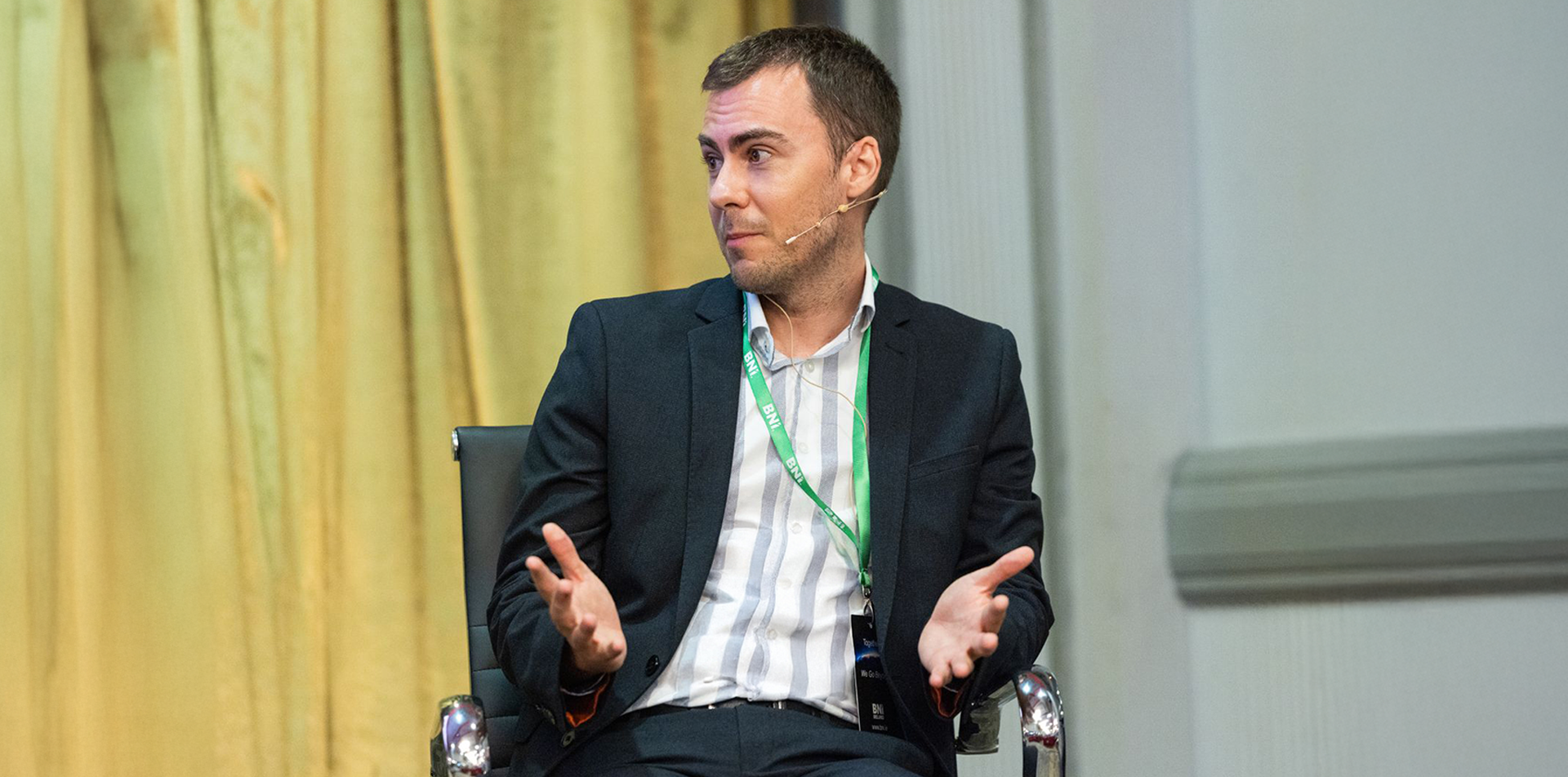
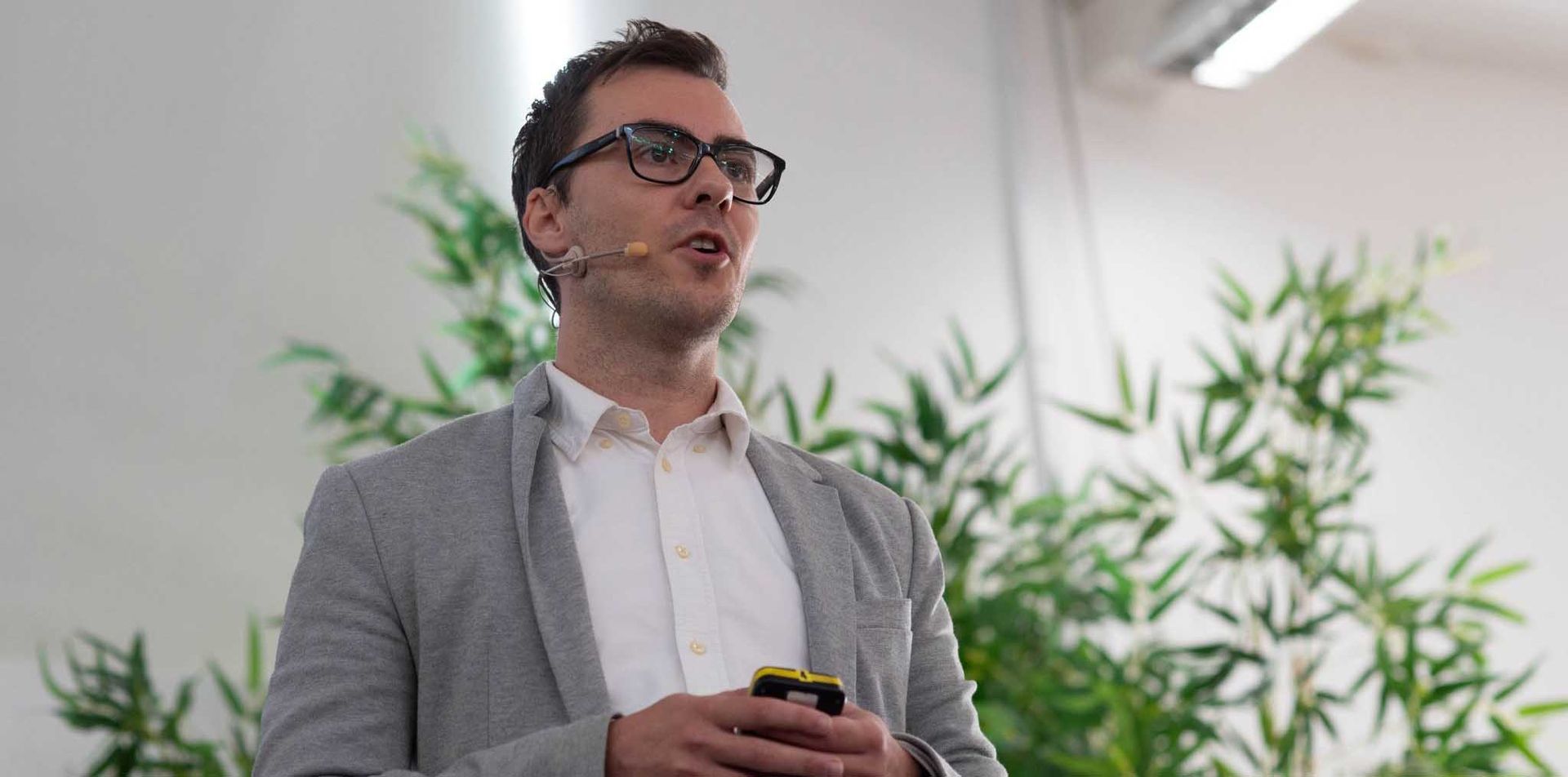
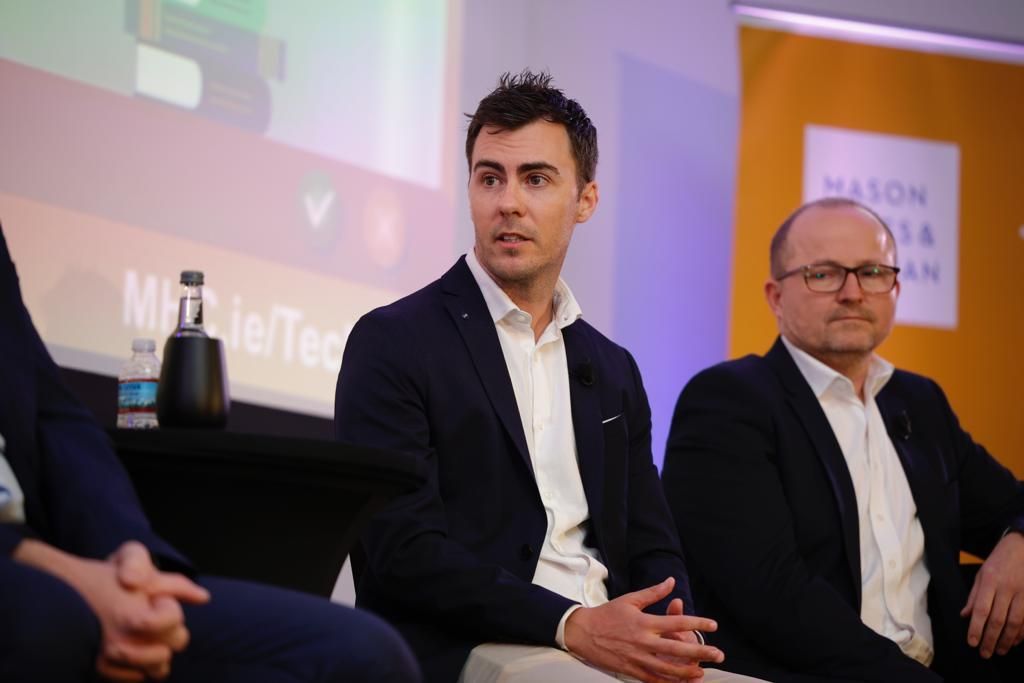
Last year, I had the opportunity to speak at StartUp Ballymun: Innovation in Action, a community event celebrating local entrepreneurship and innovation. With this year’s event coming up on June 10th, I’ve been reflecting on some of the lessons I shared that night.
As the audience included people from very different industries and backgrounds, the talk itself wasn’t really about technology or startups specifically, it was more about recognising that most careers are built step by step over time and that a lot of things that initially feel unfamiliar or intimidating eventually become learnable through curiosity, repetition, consistency, and experience..
Navigate Uncertainty
Growing up, I learned early that trying to fit into every environment rarely adds much value. People who think differently often approach problems differently, and that becomes increasingly important later in life because careers, leadership, entrepreneurship, and even life in general are rarely predictable. Very little is ever fully certain, so learning how to operate without always having every answer upfront becomes an important skill.
Be Resourceful
When I was finishing school, I spent a huge amount of time researching different potential courses and career paths. That eventually led me toward organisations like BITE and DCU Access, which provided information and support on grants and scholarships, unlocking many additional opportunities. But looking back, the most valuable thing I gained from that experience was not simply access to education, it was learning how to navigate uncertainty through research, persistence, and initiative.
Learning how to ask the right questions, identify opportunities, build a network, and find pathways forward when things are unclear, become incredibly valuable skills later in life. Resourcefulness is often just as important as knowledge and skills.
Believe in Yourself
My first role out of college involved building a virtual reality medical simulator for surgical training. At the time, it felt incredibly advanced and intimidating. But over time, I realised that most complex things become manageable once you break them down into smaller building blocks and focus on learning gradually over time.
That mindset changed how I approached challenges afterwards. Over the years, I accumulated skills, experiences, and perspectives that helped me navigate problem-solving, emerging technology, leadership, business, and the many different challenges that come with building and growing things. None of it happened overnight.
Confidence is rarely a straight line either. I experienced that through sports where, at different points, I represented Ireland playing pool. Like most competitive environments, confidence fluctuates massively depending on preparation, results, momentum, and mindset. But one thing I learned in both sport and business is that confidence tends to grow through preparation, consistency, and action, not through overthinking every step beforehand.
Learn the Fundamentals
Some of the most valuable years of my career were also the years where I learned the core fundamentals properly. I spent years building systems, solving problems, and learning how businesses and people actually operate in practice. At the time, some of those experiences may not have looked particularly exciting from the outside, but they created the foundation that made it much easier to adapt to new industries, technologies, leadership responsibilities, and business challenges as opportunities evolved over time.
Fundamentals have a way of quietly compounding in the background. The stronger your foundation, the easier it becomes to build confidence, adapt to change, and tackle increasingly complex challenges later.
Be in the Room
Looking back, many opportunities in my career came from continuously putting myself into environments where I could challenge myself, learn, contribute, and build relationships. Over the years, I have worked within small teams and global teams, startups and multinationals, across many different industries, and have had opportunities to travel, build global teams, and work on interesting projects involving emerging technology such as location-tracking, wearable technology, and AI. Some of that came from curiosity, some came from intentional career decisions, and some simply came from being present when opportunities appeared.
While I do believe in being strategic about your career and deliberately aiming to build the right skills and experiences over time, strategy only works if you also put yourself into rooms where learning, relationships, and opportunities can actually happen. You do not need to know everything before entering those rooms, you just need to intentionally place yourself in these environments with a willingness to contribute, learn, and adapt.
Surround Yourself With Good People
This might be the most important lesson of all. Almost every major opportunity in my career came through people. Former colleagues became mentors, conversations became partnerships, and networking events led to opportunities years later. Many people I worked with throughout my career have also become genuine long-term friends. We stay in touch, support each other, take an interest in what each other are building, and help each other where we can. Over time, all these relationships become incredibly valuable, both professionally and personally. The people around you influence your standards, your thinking, your confidence, and sometimes even the direction of your life more than you realise at the time.
Take Calculated Chances
For me, entrepreneurship is not about randomly taking risks. It’s about recognising opportunities where technology, industry knowledge, commercial understanding, relationships, and experience have converged in a meaningful way.
Building a company forces you to combine strategic thinking with adaptability every single day. You need vision, but also need execution. You need confidence, but also humility. You need to move quickly while still being thoughtful about decisions. And none of it happens alone. Surrounding yourself with a strong team of people you trust and can rely on becomes one of the most important parts of building anything meaningful.
Leverage Technology
Technology should feel empowering rather than intimidating, especially for SMEs and non-technical businesses. Digital tools, automation, and AI are lowering the barriers to learning, building, analysing, creating, and competing. You do not need to be a software engineer to benefit from these technologies. In many cases, the real opportunity is not replacing people, but allowing people to spend less time on repetitive manual tasks and more time on analysis, creativity, and decision-making. The businesses and individuals who benefit most will likely be the ones who learn how to combine human strengths with technology effectively, using technology to enhance human capability rather than replacing the human element entirely.
Final Thoughts
The final slide in my talk was simply:
- Get Comfortable Being Uncomfortable
- Be Resourceful
- Believe in Yourself
- Learn the Fundamentals
- Be in the Room
- Surround Yourself with Good People
- Take Calculated Chances
- Leverage Technology
Looking back, I think most careers are built through curiosity, consistency, adaptability, relationships, and a willingness to keep learning over long periods of time. Modern careers are rarely linear anymore. Very few people have everything figured out in advance. Most are simply learning, adjusting, improving, and building as they go.
And maybe that’s the real point. You do not need to have every answer before you begin. You just need to stay curious enough to keep learning.
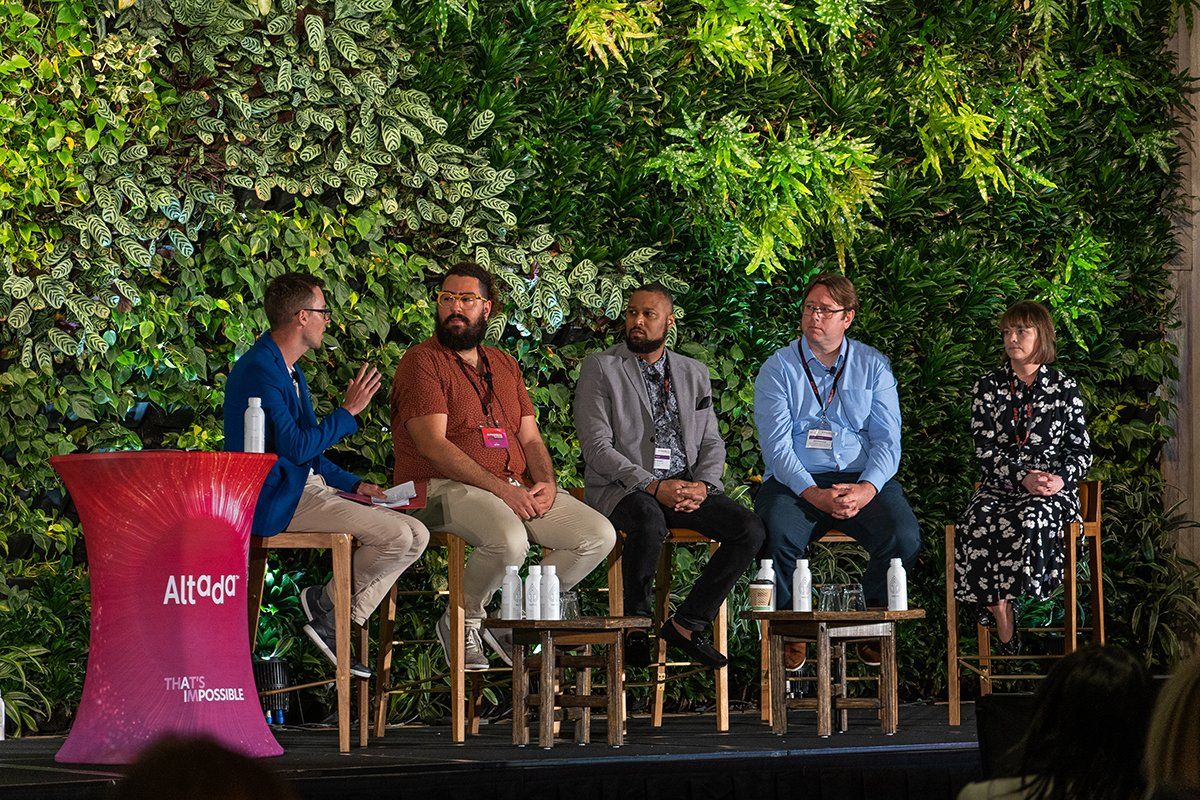
It was a privilege to share the stage alongside Bobby Healy from Manna Air Delivery, Lucie Cunningham from THE HomeShare, Edizemi - Onilenla, Sinead Ryan from Little Fitness, and Eileen McHugh from Hair Together Salon & Academy, and hear the different perspectives and experiences each person brought to the discussion.